
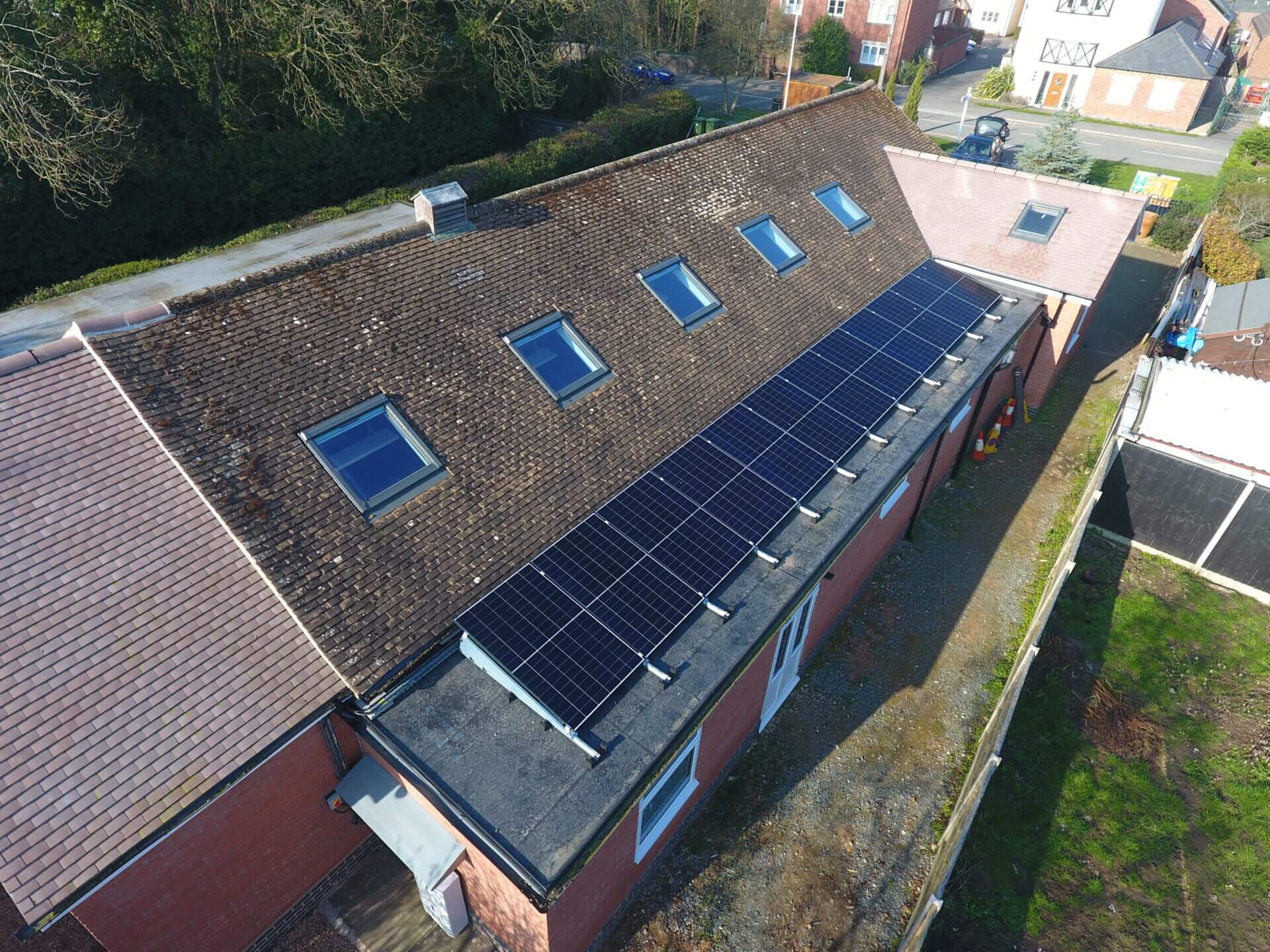
Rooftop solar is a proven, cost-effective solution for reducing carbon emissions and energy costs in urban environments. Every unused roof offers potential for energy generation, yet despite the maturity of solar technology, uptake across UK cities remains inconsistent. A major factor behind this disparity is urban planning policy. Local authorities and planning frameworks can either encourage or hinder the widespread adoption of solar.
Understanding the Current Planning Landscape
In England, most rooftop solar installations fall under Permitted Development Rights, meaning planning permission is not usually required.
Complexity arises in areas such as:
- Conservation areas
- Listed buildings
- Properties subject to Article 4 Directions
- New-build developments
- Commercial buildings
Some councils actively support solar through updated Supplementary Planning Documents (SPDs), while others rely on outdated guidance written before solar PV became a common consideration in energy planning. This inconsistency can create uncertainty for homeowners, businesses, and developers, often delaying or discouraging installations.

How Local Planning Can Support Urban Solar
Clear and consistent planning policies can make a huge difference.
Clear Local Policy Guidance: Publishing straightforward guidance on solar placement, roof alterations, and heritage considerations reduces delays and disputes.
Standardised Approval Processes: Fast-track planning approvals for rooftop solar, particularly for commercial or public-sector buildings, provide certainty and encourage investment.
Solar-Ready Design in New Builds: Encouraging or mandating south-east/south-west roof orientation, minimal shading, and adequate roof structure ensures new developments are optimised for solar from the outset.
Collaborations with Installers: Partnerships between councils and reputable installers enhance public understanding, reduce misinformation, and accelerate adoption.
Integration in Social and Public Housing: Installing solar on council properties, schools, and public buildings demonstrates leadership, reduces energy costs, and raises awareness in local communities.
Challenges That Can Hinder Rooftop Solar
Even with modern technology, planning barriers remain. Strict heritage rules and slow decision-making processes can prevent or delay installations. Inconsistent criteria for similar properties create confusion, requiring resubmissions or redesigns. Additionally, outdated knowledge of solar technology among planning officers can result in unnecessary rejections, particularly regarding weight, reflectivity, or roof shading.
Practical Steps for Local Authorities
Councils can streamline rooftop solar deployment by providing a comprehensive toolkit that includes design templates, local solar resource maps, guidance on heritage integration, and fast-track approval processes for commercial and public-sector projects. Solar-ready checklists for new developments, covering cable routes, inverter locations, roof pitch, and structural loads, can reduce administrative burdens and encourage sustainable energy adoption.
Find out more about how BEAS grant funding can support your commercial solar project and make your installation more cost-effective.
Lessons from Unexpected Places
It might seem strange to mention Jeremy Clarkson when discussing urban solar. However, his farm gives us some useful ideas about planning, energy, and diversification.
- Clarkson owns a 400-hectare farm in Oxfordshire called Diddly Squat.
- Although he’s not primarily known as a renewables pioneer, his farm has attracted attention from the environmental movement.
- This clause highlights a bigger problem. Regulatory issues are not only in cities or with rooftop solar. Rural landowners also face planning challenges when they want to diversify or use renewable energy.
Clarkson’s journey is relatable. It shows that even a famous and wealthy person faces planning red tape. If someone like him faces such obstacles, many others (especially smaller farmers or urban landlords) probably do to.
Evolving environmental stance, from sceptic to someone acknowledging climate change’s impacts mirrors a broader societal shift. His story suggests that with the right planning incentives, even unlikely personalities can become part of the solar transition.
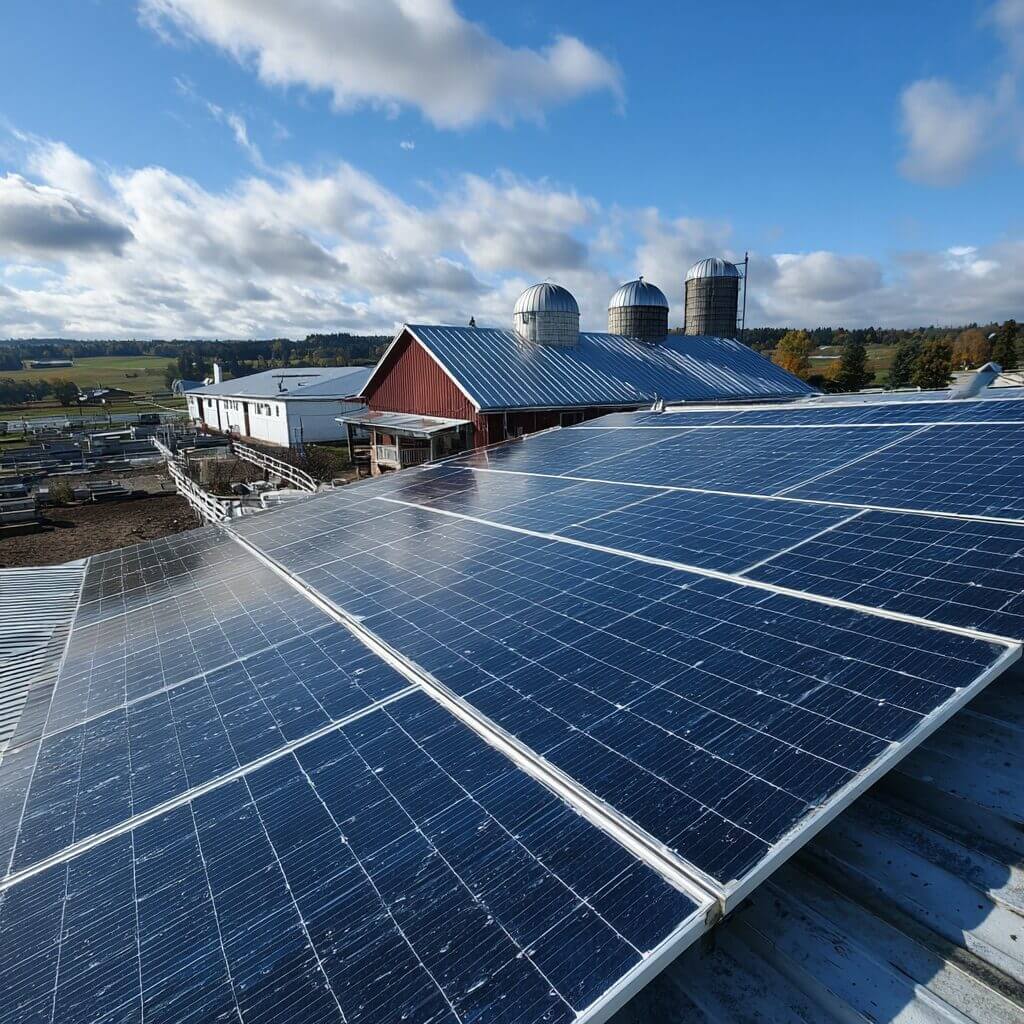
Conclusion
Rooftop solar offers cities and towns a significant opportunity to cut emissions, lower energy bills, and strengthen the grid. Local authorities play a pivotal role. By adopting clear policies, streamlining approvals, and promoting solar-ready design, councils can turn underutilised roofs into valuable energy resources.
Get started with EcoSolar today to explore your options and start generating clean energy. For guidance on funding and installation, contact our team or call 01455 552 511.