
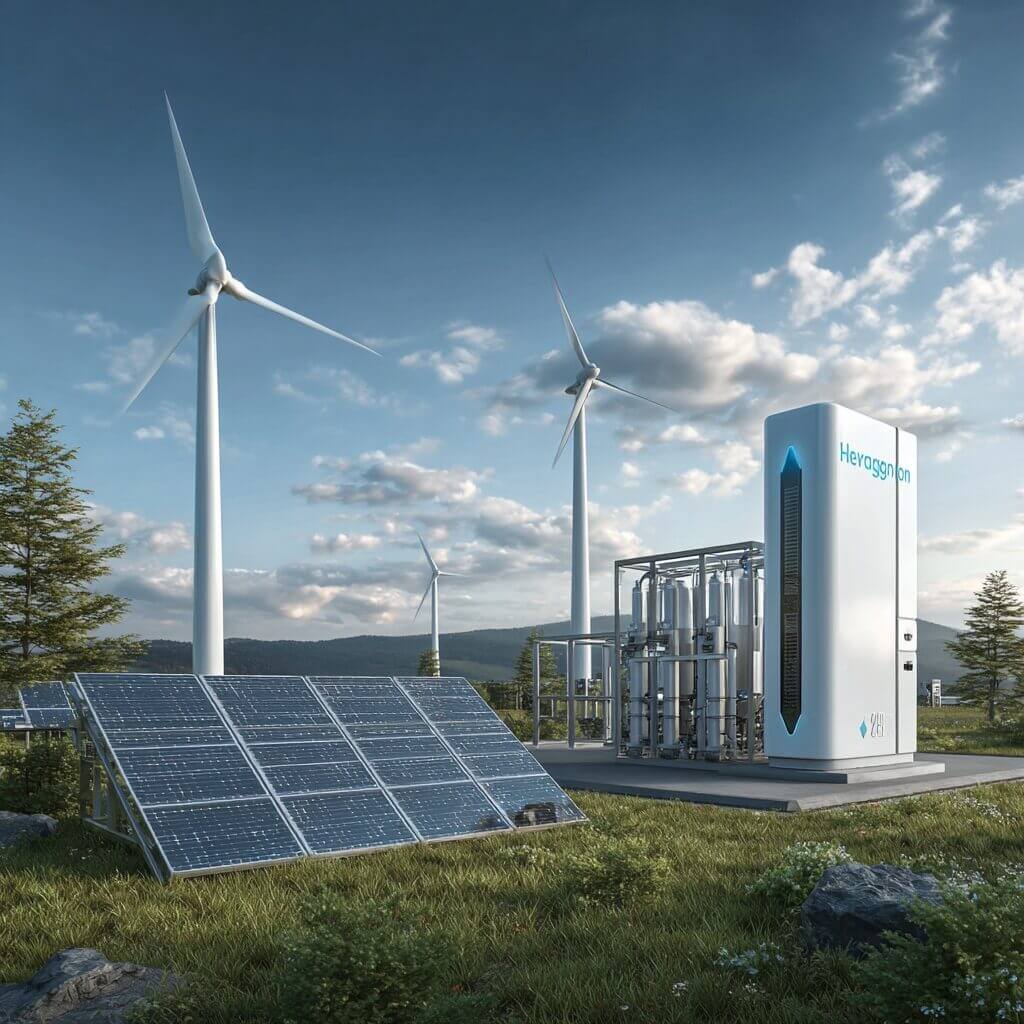
As the world shifts away from fossil fuels, two technologies are slowly taking over: solar power and green hydrogen. Individually, each offers a low-carbon alternative to traditional energy sources. Together, they could reshape how we power our industries, transport networks, and communities into the future.
What Is Green Hydrogen?
Hydrogen is already used a lot in making fertilisers, steel, and heavy industry. However, most of it is made from fossil fuels, which release a lot of CO₂. Green hydrogen, in contrast, is created using electrolysis a process that splits water into hydrogen and oxygen, powered exclusively by renewable energy. Because no fossil fuels are burned at any stage, green hydrogen can be truly zero-carbon.
A Commercial Opportunity In The Making
The transition to net zero is often spoken about in national terms, power stations, offshore wind and rail electrification. Yet much of the transformation will happen on business premises: warehouses, factories, depots, ports, data centres and commercial estates.
For companies looking to cut emissions while maintaining operational resilience, solar power and green hydrogen are emerging as a compelling combination.
Why You Should Care About Green Hydrogen
Businesses today face a broader set of risks than ever before:
- Volatile energy prices
- Increasing carbon costs (including the UK Emissions Trading Scheme)
- Supply chain pressure to prove sustainability credentials
- Mandatory reporting
- Customer expectations for zero-carbon products
Green hydrogen offers commercial users a route to meet these challenges while gaining energy independence and cost certainty.
Solar As A Corporate Energy Asset
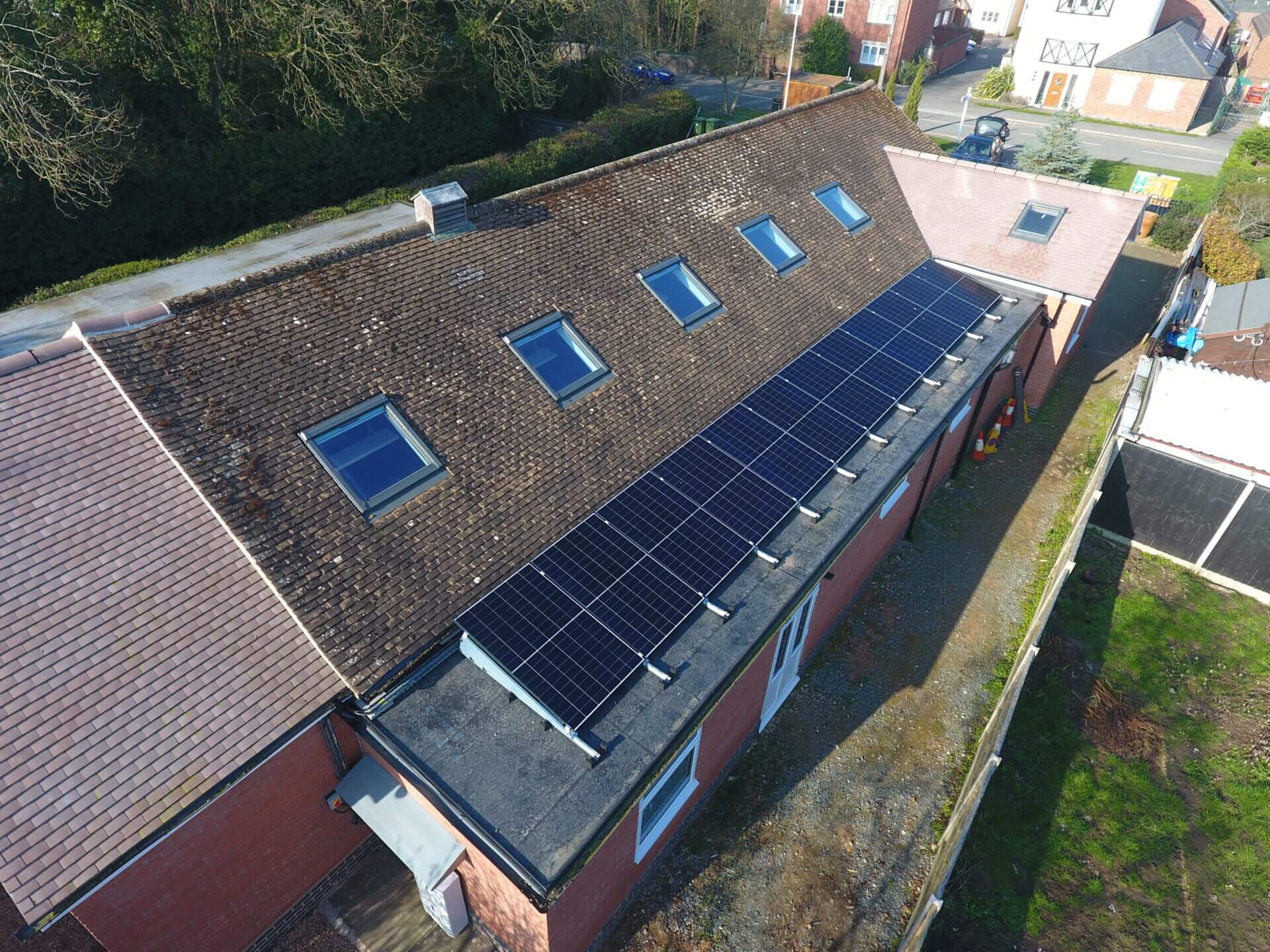
Commercial solar PV is already widely deployed across the UK, from warehouse rooftops to agricultural sheds and ground-mounted arrays on underused land.
For businesses with substantial daytime demand, solar delivers immediate value:
- Reduced grid consumption and lower electricity bills
- Improved EPC ratings for buildings
- Protection from future energy price hikes
- Enhanced ESG reporting and marketing credibility
But Solar’s full value is realised when it powers more than lights and machinery.
Turning Surplus Solar Into Hydrogen
Many commercial installations already generate more energy than is used onsite, particularly during summer months or at weekends. Exported power often earns a modest return, and in some cases grid constraints mean generation must be curtailed.
By pairing solar PV with electrolyses, that excess electricity becomes a commercial fuel, hydrogen, creating new revenue streams and operational options.
Business benefits include:
- Decarbonised Process Heat
Many commercial and light-industrial businesses still rely on gas boilers for high-temperature heat, including:
- Food processing plants
- Breweries and distilleries
- Laundry operations
- Light manufacturing
Hydrogen provides a route to electrify heat indirectly without expensive process changes.
- Fuel for Company Fleets
Hydrogen can power a range of business-critical vehicles:
- HGVs and articulated lorries
- Forklifts and materials handling equipment
- Minibuses and local shuttles
- Port and airport ground vehicles
- Agricultural and construction plant
Refuelling times are short, enabling high-utilisation fleets to stay productive.
- Energy Storage Beyond Batteries
Businesses with variable operations, seasonal production lines, cold storage, 24/7 distribution, need reliable energy.
Hydrogen enables:
- Day-night balancing
- Multi-day autonomy during high prices or supply issues
- Backup power generation via fuel cells or turbines
- Reduced diesel generator reliance
This shift turns a business from an energy consumer into a producer with strategic resilience.
Hydrogen Hubs & Shared Infrastructure
Not every business needs its own electrolysed. Localised commercial hydrogen ecosystems are already emerging:
- Shared generation across business parks
- Consolidated fuelling stations for multiple fleets
- Portside hydrogen storage for maritime operators
- Industrial clusters sharing pipelines and supply
A commercial estate with rooftop solar could feasibly generate fuel for neighbouring logistics firms, buses, or service fleets, keeping value local and cutting carbon collectively.

Future-Proofing Commercial Estates
Commercial developers, landlords and asset managers have a strong incentive to explore hydrogen-ready energy plans. Buildings equipped with:
- Embedded solar
- Hydrogen-compatible boilers
- Space for an electrolyser
- Secure storage and refuelling points
Stand to attract and retain tenants with long-term sustainability commitments.
The shift mirrors broadband adoption twenty years ago, what was once niche infrastructure becomes a basic utility expectation.
Reducing Corporate Risk
Solar-powered hydrogen touches multiple commercial risk categories:
- Financial risk – greater price certainty and reduced grid dependence
- Operational risk – fuel security for critical vehicles and heat
- Compliance risk – easier pathway to net-zero obligations
- Reputation risk – visible, credible decarbonisation action
As policy tightens and energy markets remain unpredictable, early adoption becomes a competitive advantage rather than an ethical add-on.
The Road Ahead For Businesses
Solar has already proven itself as a dependable business investment. By linking it to hydrogen production, organisations can capture far more of the value their renewables generate and position themselves at the forefront of the UK’s evolving clean energy system.
If you’re interested in how solar and green hydrogen can work together contact our team or call 01455 552 511.